Description



Industry Review & Buying Guide | Last Updated: October 2026
EQUIPMENT EVALUATION FOR CLINICS
Upgrade Your ROI: Pre-Ignition Diode Picosecond Laser Review
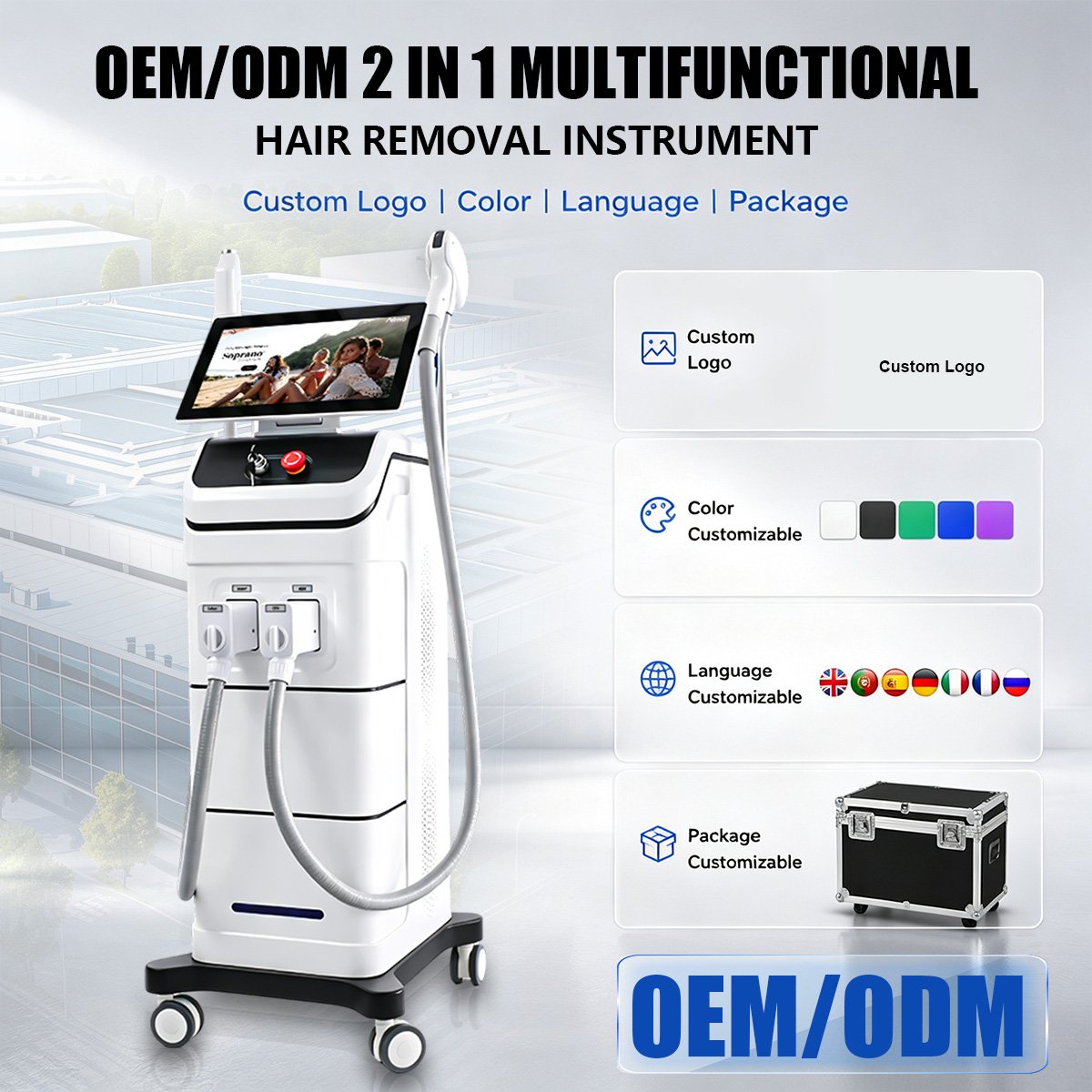
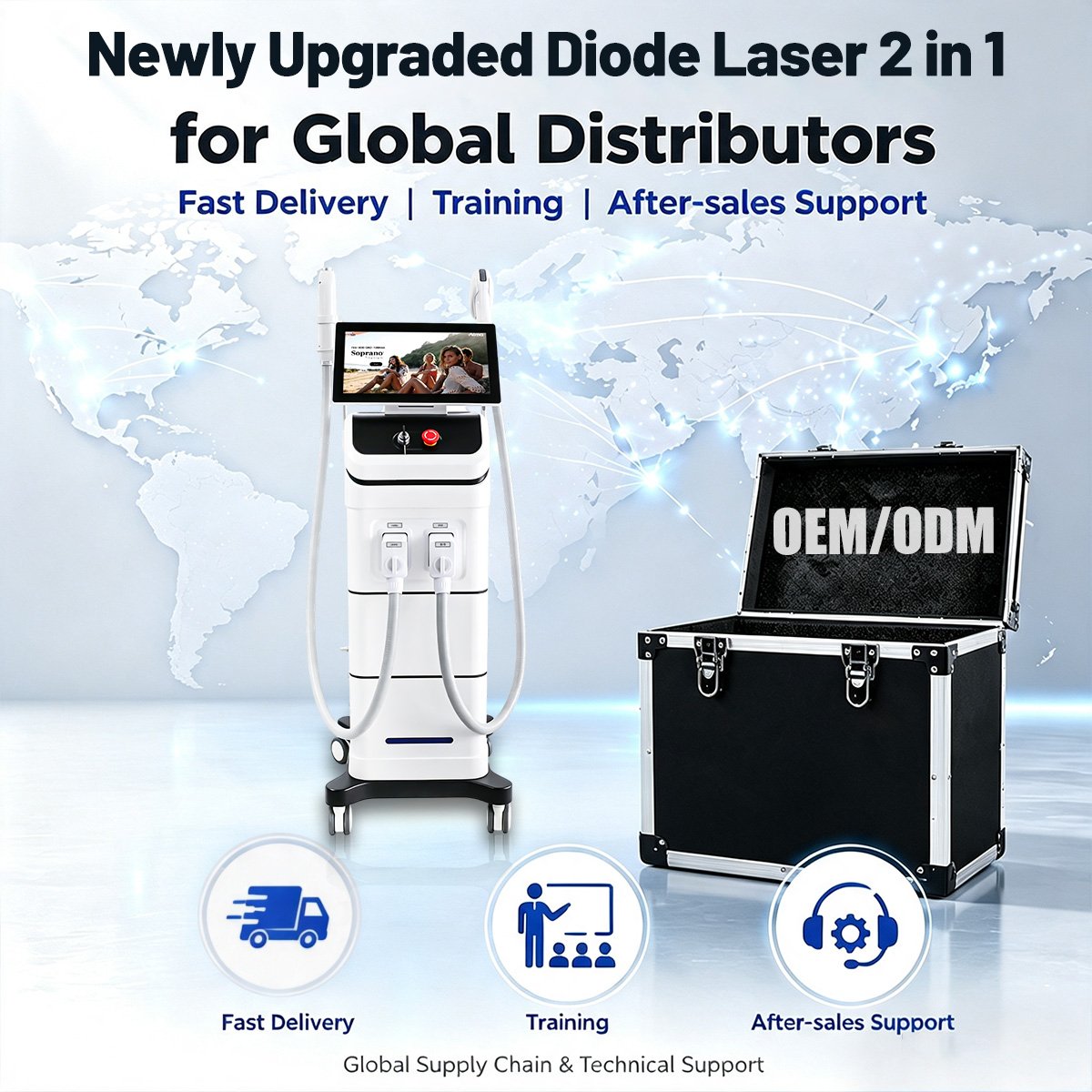
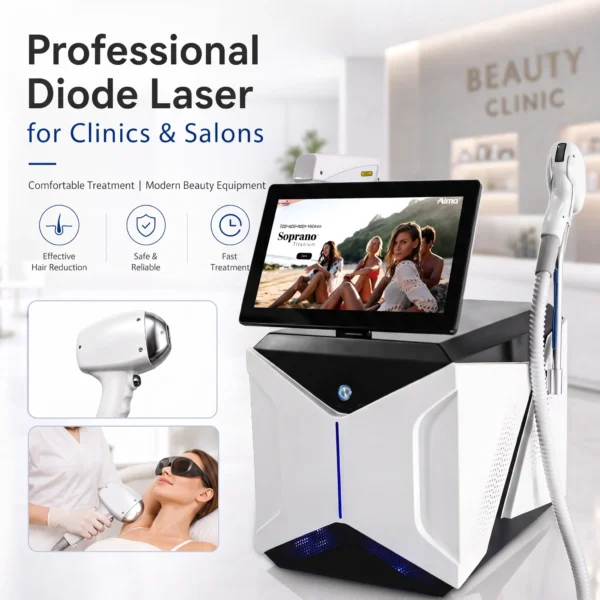
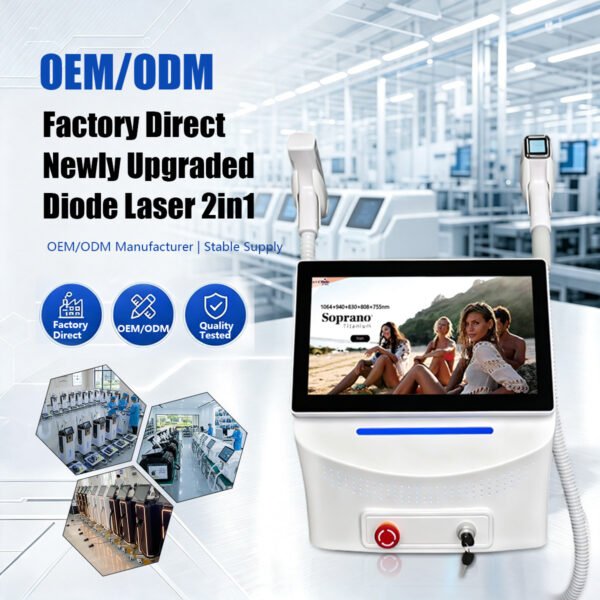
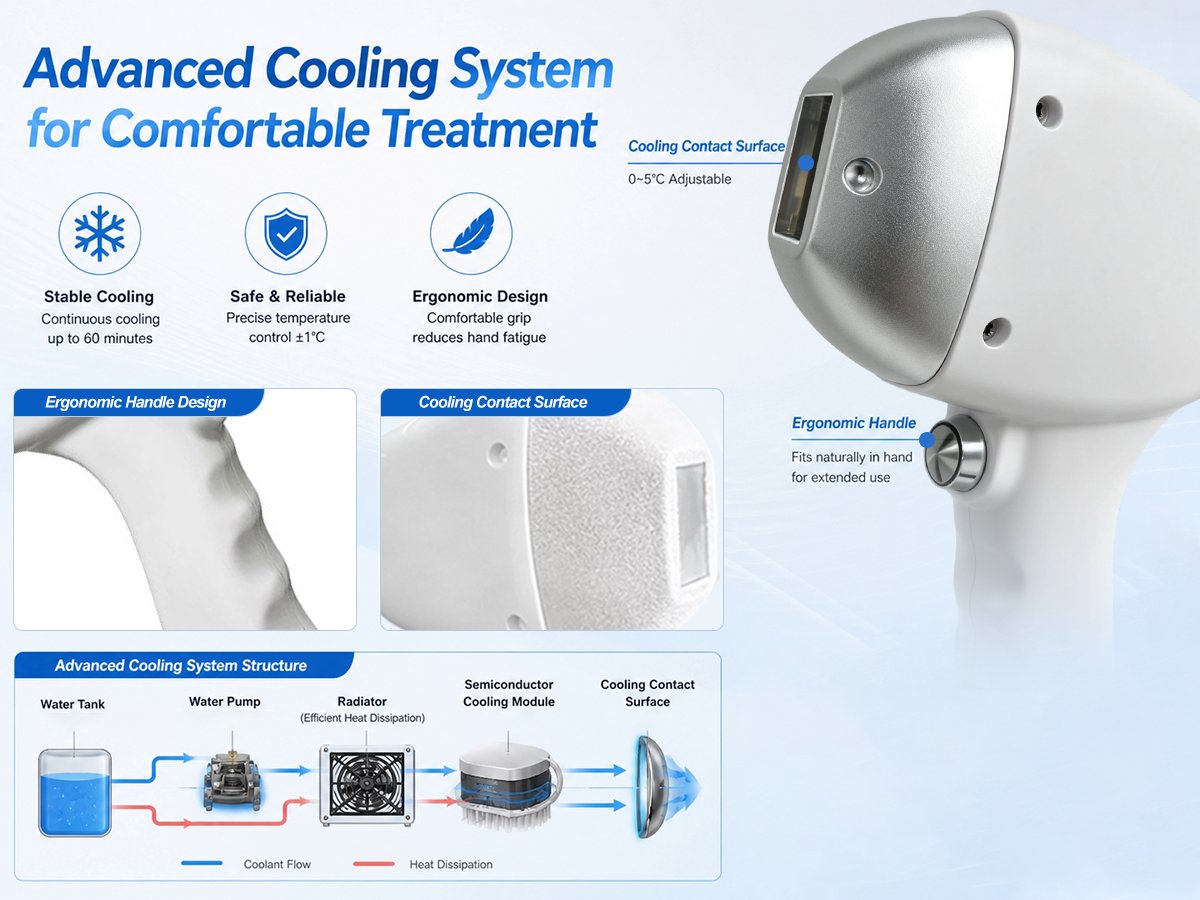
Buying a multi-modality machine is a major investment. The biggest hidden cost in aesthetic lasers isn’t the sticker price—it’s energy instability and component degradation. When evaluating the pre-ignition diode picosecond laser, we focus on how its 6-wavelength dual-system solves these clinical pain points. By stabilizing the internal energy path before the main pulse fires, it aims to protect your laser bars and deliver consistent, repeatable results.
Stable Output
Pre-Ignition reduces initial energy spikes, protecting the epidermis.
Extended Lifespan
Less thermal stress on the bars means fewer replacements.
6 Wavelengths
Broad-spectrum diode coverage for diverse patient demographics.
The Real Value of “Pre-Ignition” for Your Clinic
Standard lasers can deliver a sudden, unregulated energy spike on the first pulse or after standby. For the patient, this feels like an unexpected “snap” of pain. For the machine, it accelerates the degradation of the laser bars.
The Pre-Ignition Solution: This system pre-calibrates the internal optical path and energy delivery before the full-power pulse is released. The benefits for a clinic are tangible:
- Fewer Patient Complaints: Consistent energy means no sudden painful shocks.
- Lower Maintenance Costs: Reduced thermal shock extends the lifespan of the diode stack.
- Predictable Results: Fluence remains stable from the first shot to the last.
Why 6 Wavelengths? Breaking the “All-in-One” Curse
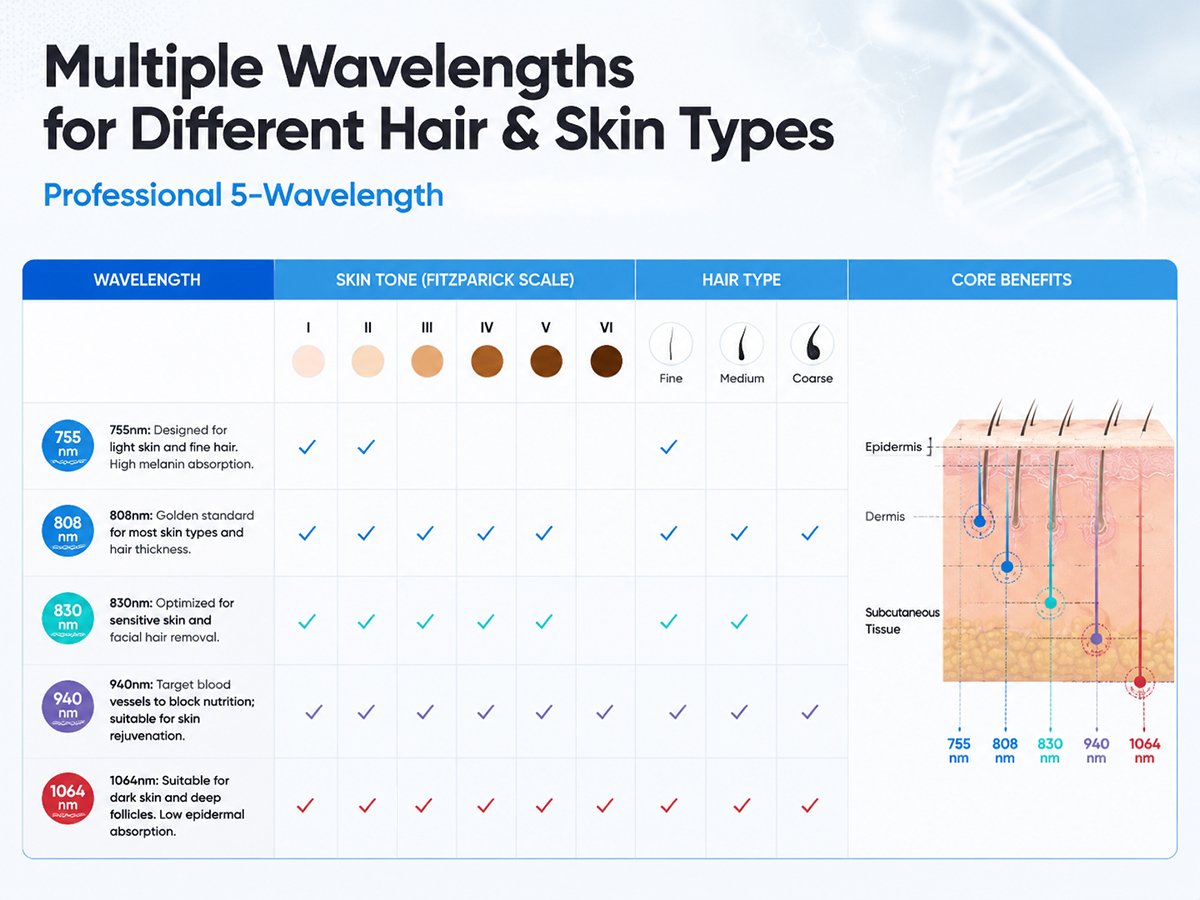
Many 2-in-1 machines compromise by offering only basic wavelengths. This system integrates a 6-wavelength diode module. While the exact nanometer values require factory confirmation, this broad configuration is designed to:
1. Target different hair depths and thicknesses (fine vellus hair vs. coarse terminal hair).
2. Safely address varying Fitzpatrick skin types with less risk of epidermal burning.
If you are comparing different diode laser machines, a 6-wavelength system generally offers a higher safety margin than older 3-wavelength platforms, provided the operator is properly trained.
Clinical Applications: Hair vs. Tattoo
| System |
Target |
| Diode Module (6-Wavelength) |
Permanent hair reduction on face and body. |
| Picosecond Handpiece |
Tattoo clearance, pigmentation, and skin toning. |
Finding a reliable picosecond laser diode combination is crucial for clinics wanting to capture both the hair removal market and the lucrative tattoo removal segment without buying two separate consoles.
Buyer Questions & Supplier Negotiation
Are the 6 wavelengths explicitly listed?
No. The public data confirms 6 wavelengths, but the specific nanometer values must be requested. Do not assume it includes 1064nm for dark skin unless documented.
How to evaluate the picosecond module?
Ask for the actual pulse duration (not just “picosecond”) and spot sizes. A good picosecond laser supplier should provide clinical case studies or independent test reports.
What are the missing specs?
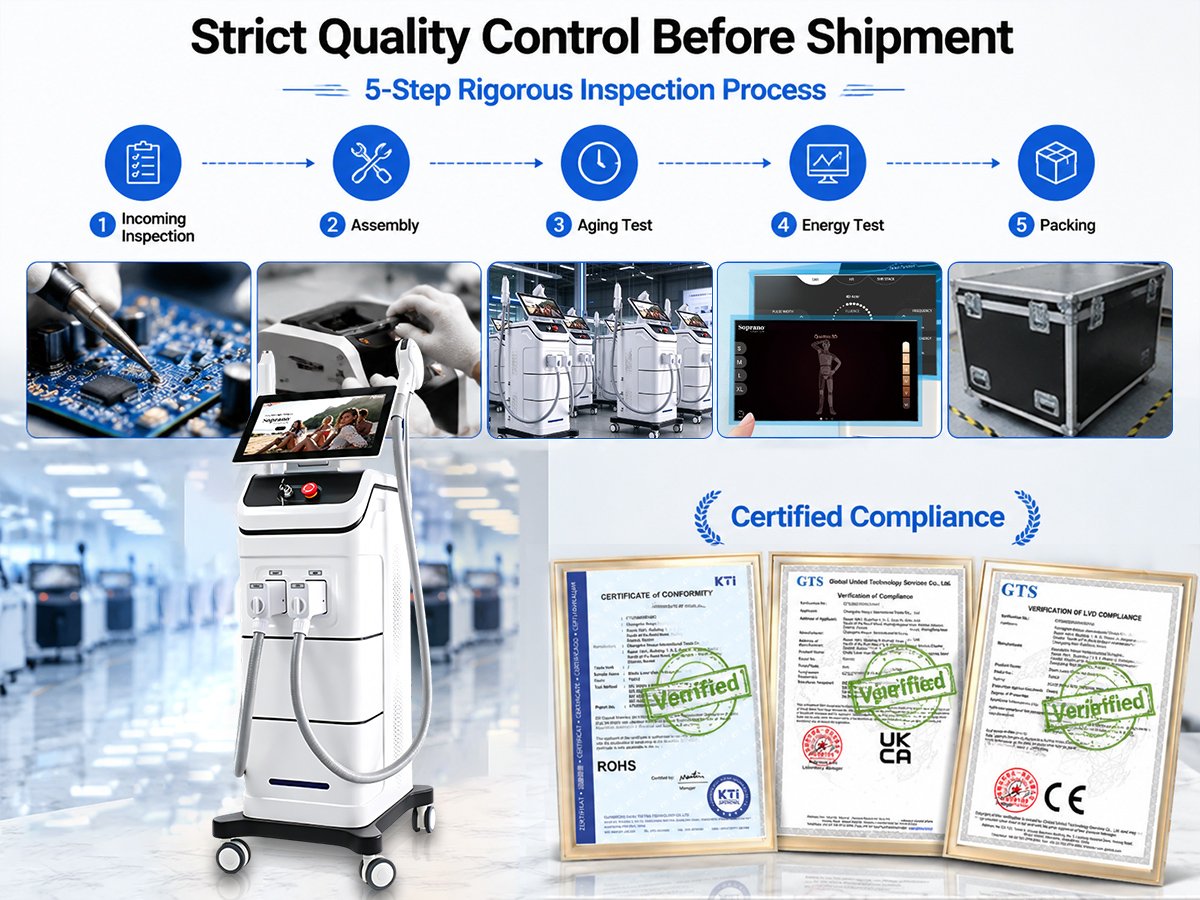
Power output, cooling temperature, and certifications (CE/FDA) are unconfirmed on the public page. We strongly advise requesting a formal spec sheet before placing a down payment.
Don’t Buy Without the Full Spec Sheet
Use our direct inquiry link to contact the manufacturer and request the exact wavelength list, power output, and certification documents.
Request Verified Specs